
Vintage Book Condition: A Detailed Guide to Assessing the Value of an Old Book Set
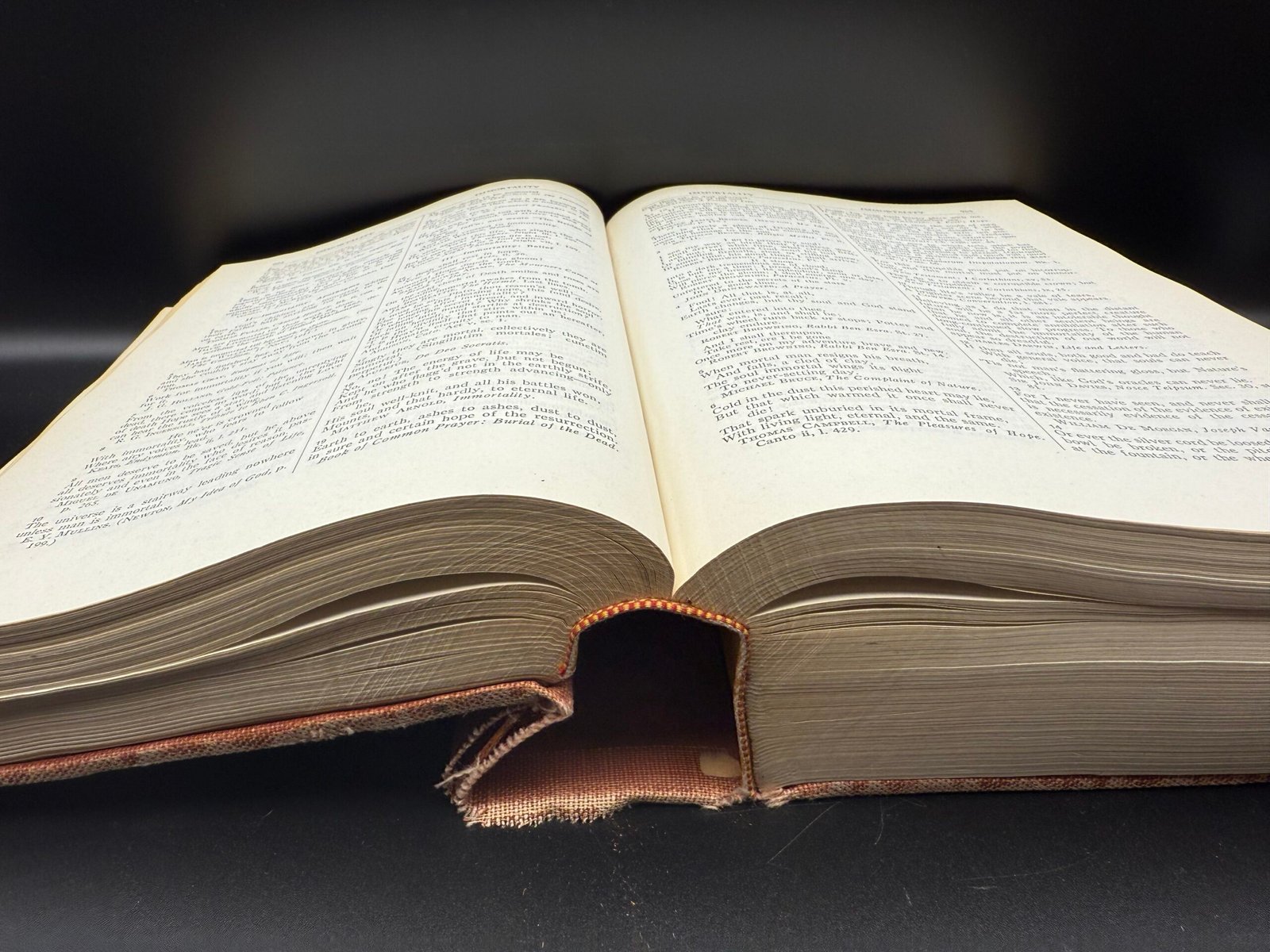
For the modern collector, the appeal of a vintage book set goes beyond the stories within. The tangible history, the craftsmanship, and the aesthetic of a complete series on the shelf are what make them truly special. But how do you know if that old set you’ve found is a valuable find or just a well-read curiosity? The key lies in understanding vintage book condition.
Assessing the condition of an old book set is the single most important step in determining its value. Unlike new books, a vintage copy’s worth can fluctuate dramatically based on even minor flaws. This detailed guide will walk you through the standard grading terms and provide a step-by-step checklist for your next book value assessment.
The Standard Book Grading System
The book-collecting world uses a standardized scale to describe a book’s condition. Familiarizing yourself with these terms is the first step to becoming a savvy collector. The most common grades, from best to worst, are:
- As New (AN) / Fine (F): A perfect, pristine copy with no visible flaws. A Fine book is virtually “as new,” but may show a tiny hint of handling or very minimal signs of age.
- Very Good (VG): A book that shows minor wear but is still clean and attractive. The binding remains tight, and any small flaws (like minor shelf wear or a slight crease) are noted. This is often the minimum acceptable condition for serious collectors of non-rare items.
- Good (G): This is the most common condition for a used vintage book. A “Good” book shows significant signs of use, such as frayed corners or a slightly faded spine, but it is complete—all pages and illustrations are present. A book in this condition is a “reading copy.”
- Fair (F) / Poor (P): A book with major flaws, such as loose pages, a detached spine, or heavy staining. It may be missing endpapers or half-titles, but the main text is intact. A Poor book is severely damaged and is typically only useful for its text.
The Book’s Components: A Condition Checklist
To properly grade a book, you must assess each of its individual components. A book’s overall condition is often a combination of these factors.
1. The Dust Jacket: The King of Condition
For any book published after the 1920s, the dust jacket is often the single most valuable part of the book. A missing dust jacket can reduce a modern first edition’s value by 75% or more.
- Price-Clipped: Check the inner flap. An unclipped price shows it’s an original edition dust jacket. If the corner is clipped, it’s often a book club edition.
- Chipping & Tearing: Look for small pieces missing from the edges (chipping) or tears. Even a small tear can significantly lower the grade.
- Sunning: The spine of the jacket may be faded from light exposure, a common sign of age.
2. The Binding and Cover
Inspect the book’s outer shell for signs of wear and tear.
- Shelf Wear: Look for scuffing or rubbing along the edges and corners from being stored on a shelf.
- Fading: The color of the cloth or leather binding may be uneven due to sun exposure.
- Loose Hinges: Gently open the front cover. If the binding feels wobbly or the front hinge is pulling away from the text, the hinges are “shaken” or “loose,” a major flaw.
3. The Pages and Text Block
The condition of the pages themselves is crucial for book appraisal.
- Foxing: Look for tiny, rust-colored spots on the pages, typically caused by humidity and trace iron in the paper. This is a common and usually minor flaw, but heavy foxing can reduce value.
- Acidic Browning: Pages with a yellowish or brown tint, particularly along the edges. This is a chemical reaction that makes the pages brittle over time.
- Marginalia: Writing, underlining, or notes in the margins by a previous owner. Unless the notes are from a famous person, this typically lowers the book’s value.
- Dampstaining: Water damage can leave a visible stain, causing pages to become wavy and discolored.
The Final Assessment: The Book Set as a Whole
When assessing a vintage book set, you’re not just grading individual books—you’re grading the collection’s uniformity and completeness.
- Consistency is Key: All books in the set should have the same publisher, binding style, and general condition. A set with some “Good” and some “Very Good” copies will be valued based on its lowest grade.
- Look for Completeness: A complete set is almost always more valuable than the sum of its parts. Missing volumes, even of less popular titles, can dramatically reduce the set’s overall worth.
By combining an understanding of standard grading terms with a detailed inspection of each book’s condition, you can confidently navigate the world of vintage book collecting and assess the true value of any old set that catches your eye. You can visit this website to help you even further with valuing your vintage book.