
Rare Book Collecting Tips: A Guide to Finding Valuable Books
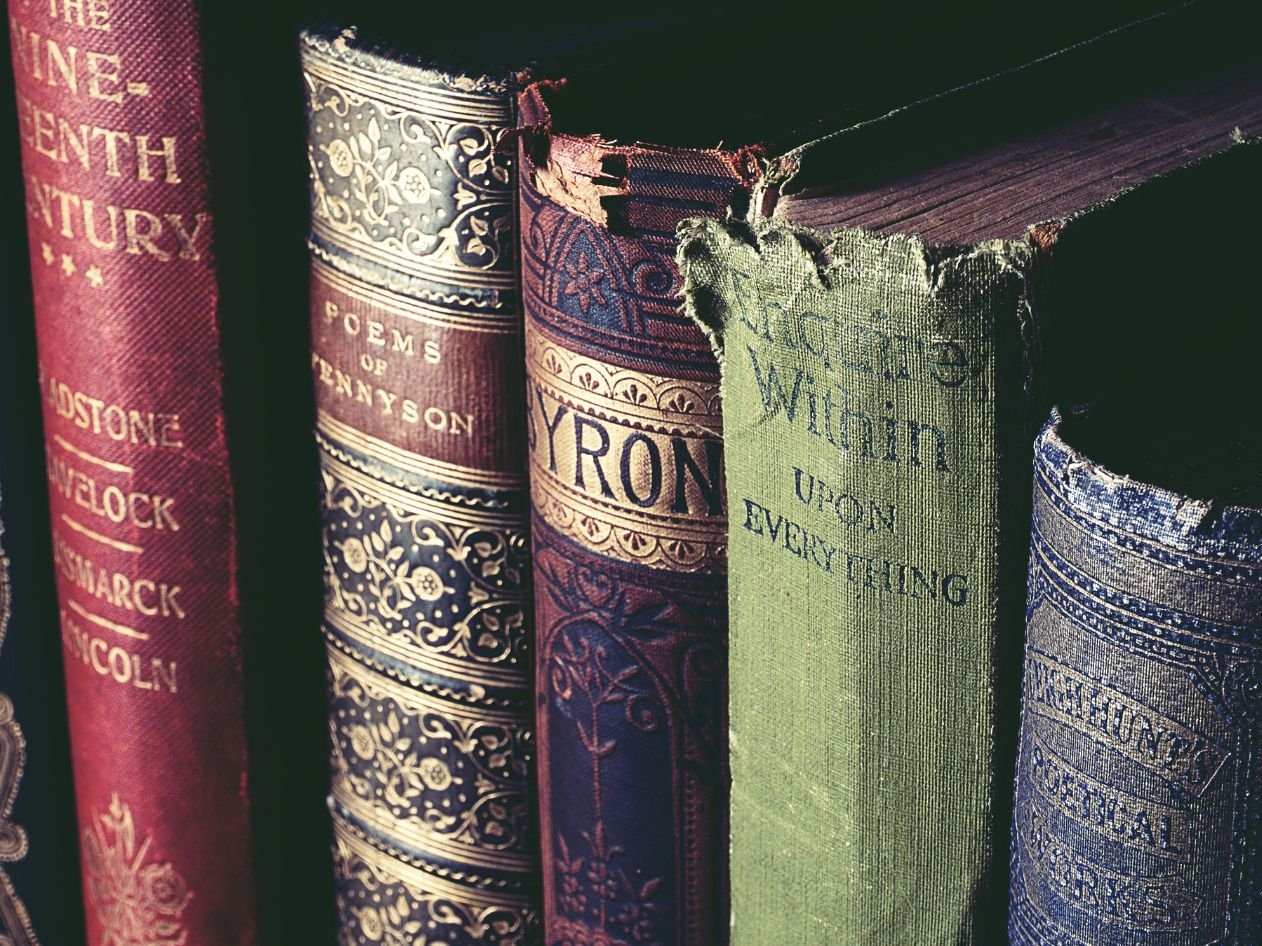
Collecting rare books is a thrilling and very rewarding hobby. This trip combines the excitement of a treasure hunt with a deep love of history, art, and the written word. For someone who wants to be a collector, getting into this world can seem scary. What makes a book worth something? Where do you even start looking?
At Hall Family Books, we think that every collector has to start somewhere. Not just luck, but a lot of knowledge is what it takes to build a collection that means something and is worth something. Here are our best tips for getting around in the fun world of old and rare books.
Tip 1: The Power of Knowledge—Know Your Niche
The most important thing for a new collector to do is to focus on one thing. Instead of looking for every valuable book in the world, pick a subject that really interests you and focus on that. This helps you become an expert in your field, which makes it easier to find a hidden gem.
Think about a niche in your book-hunting adventures:
- By Author: Look at all of an author’s works, from first editions to signed copies.
- By Genre: Choose a specific type of book, such as early science fiction, classic mysteries, or vintage fantasy. Here is where you can find book topics that are one-of-a-kind and interesting to a passionate audience.
- By Topic: Some collectors only collect books on a certain topic, like typography, historical photography, or classic Americana.
- By Publisher: As we’ve talked about before, publishers like Easton Press and Franklin Library, which are known for their well-made editions, are a great niche for collectors who care about looks and quality.
You will learn what to look for by narrowing your focus, and most importantly, you will find the valuable books that other people might miss.
Tip 2: The Three C’s of Value: Condition, Completeness, and Preservation
Once you find a rare book that you might want to buy, its value depends almost entirely on how well it is and how complete it is. The condition of a book can be more important than how rare it is when it comes to its value.
- Condition: A “Fine” or “Very Good” book will always be worth more than a “Good” or “Poor” copy. Look for things that show wear, like a tight binding, clean pages, and not too much shelf wear.
- Completeness: This is very important for modern books. A first edition can lose a lot of value if it doesn’t have its original dust jacket. When looking at old books, make sure that all of the illustrations, fold-out maps, and original endpapers are there. A book is worth more the closer it is to the way it was first published.
- Conservation: Professional conservation and preservation can keep a book’s value and make it last longer. Don’t try to fix the book yourself; this can lower its value.
Tip 3: The Hunt: How to Find Rare Books
So, where do you start looking? You might not find a million-dollar treasure at every yard sale, but you can definitely find great things to add to your collection.
- Specialized Bookstores: There are a lot of great books in independent and used bookstores. Get to know the people who work at bookstores. They usually know a lot about the books they have and may be able to help you find a specific one.
- Marketplaces on the Internet: A modern collector needs websites like AbeBooks and Biblio. They give you access to a huge, searchable database of books from dealers all over the world. These platforms are great for the process of valuing first edition books.
- Book Fairs: You can see a lot of rare books in person at regional and international book fairs. You can touch the books and talk to dealers who know a lot about your niche.
Tip 4: Research is the key to your success.
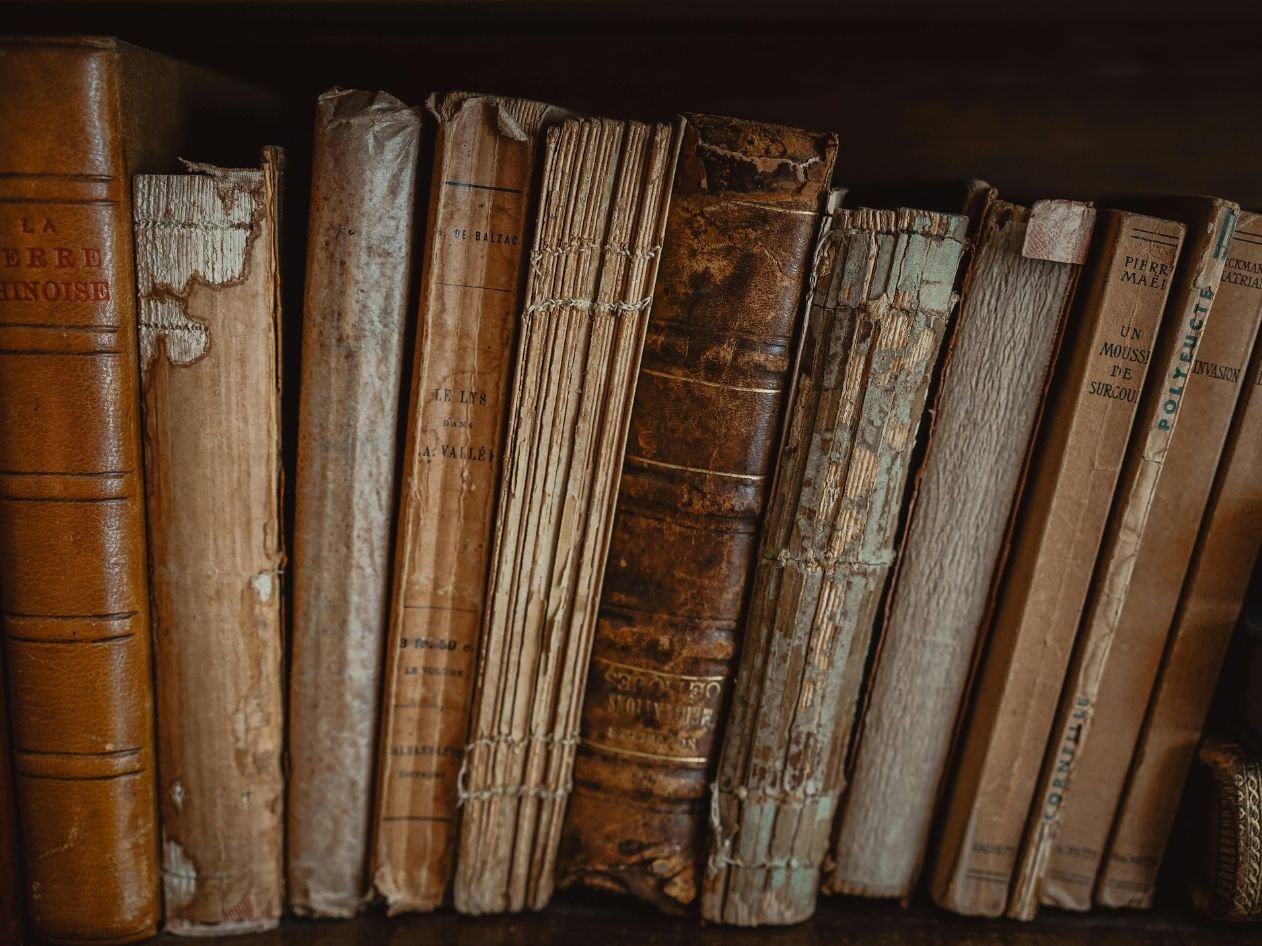
Before you buy a book that you think is hard to find, do some research. You can easily check a book’s edition and value thanks to the internet.
- Search for “Points of Issue”: These are small mistakes or one-of-a-kind things that only happen in a first printing, like a typo on a certain page or a change in the color of the binding. Bibliographies are important tools for finding this information and proving that a book is a true first edition.
- Look at the Copyright Page: We talked about this in earlier blogs: to tell if a first edition is real, look for the clear statement or the number line.
- Check the prices: Check out online marketplaces to see how much a book like yours is selling for right now. This helps you figure out a fair price and make sure you’re making a good investment.
Remember that the real value of a collection of books isn’t just how much money they are worth; it’s also how much each book means to you. The story of how you got a rare book is often just as interesting as the story inside it. Have fun collecting!